Plots in Lerida - buy, sell or rent easily

Find plots by category in Lerida (Province)


Plots for sale with most wanted features
- Urban 16
- Developable 7
- Non developable 29


Latest publications of land and houses for sale in Lerida (Province)
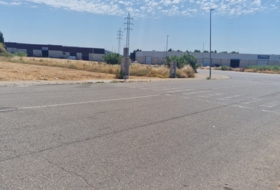
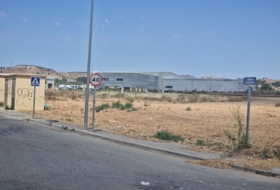
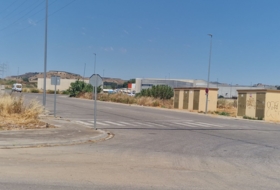
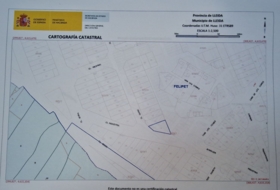


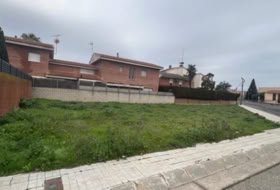
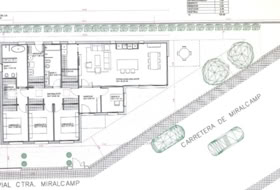
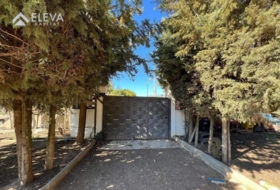
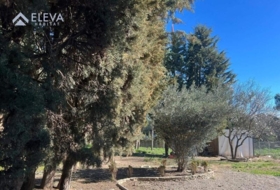
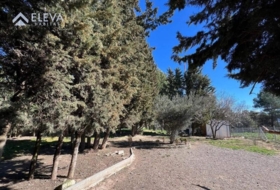
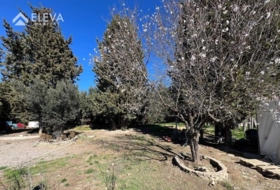
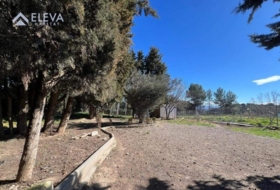
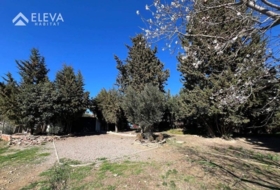
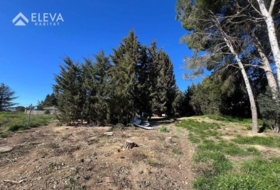
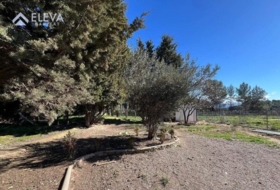
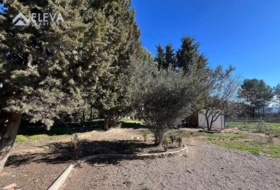

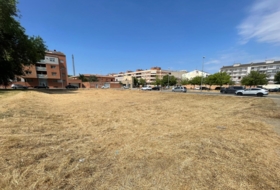
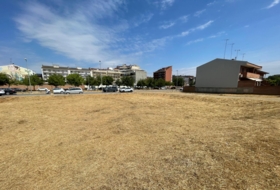
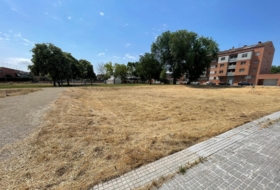
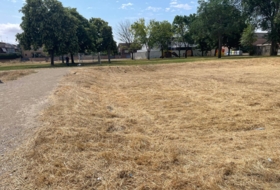
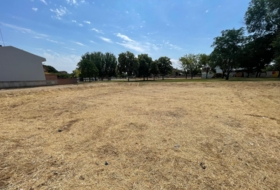
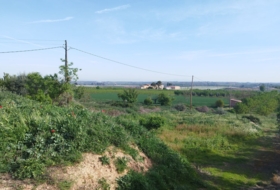
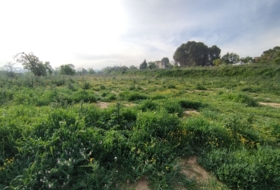
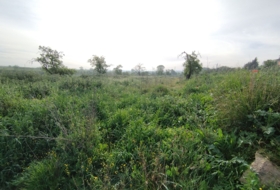
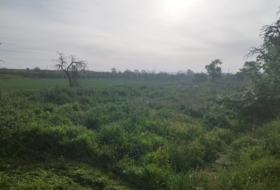

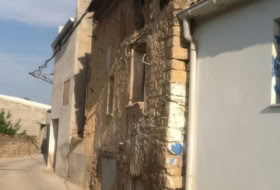


 +1
+1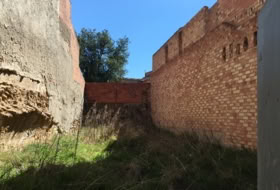



 +1
+1Where to buy land in Lleida
The average value of urban land in Lleida is the lowest in all of Catalonia (€112/m²), which becomes an opportunity when investing in this area. The areas with the cheapest urban land for sale are Lérida, Alcarràs and Aitona. On the other hand, the most expensive lots are found in the city of Lérida, Tàrrega, Bossòst and Almacelles, where the highest average value ranges between €400/m² and more than €600/m². The urbanizable plots present a situation like the urban surface of the province.
In general, the cheapest land for sale in the province of Lérida is found in Juneda with a minimum value of €0.40/m², Bovera with €1/m², Golmés with €1.50/m² and Algerri with €1.60. €/m². The price in these municipalities is so low because it is conditioned by a large amount of rustic land for sale in these areas.
A heterogeneous economy
The province of Lleida (Lleida) is in the northwestern part of Catalonia. It is the least populated of the Autonomous communities, with 434,613 inhabitants and an area of 12,173 km². Its economic activity stands out for the importance of its agricultural sector, as well as for its diversified industry and service sector, oriented to mountain tourism.
Lleida is a benchmark for its specialization in the primary sector, with the cases of the Noguera, Garrigues and Pla d'Urgell counties being relevant. In terms of industry, the Segarra area predominates. However, the areas located to the northwest (Vall d'Aran, Alta Ribagorça and Pallars Sobirà) provide great economic value due to the high income from the hotel industry, focused on mountain tourism, as it is an ideal destination for lovers of nature, skiing and adventure sports.
Services have a lower impact, due to the lower weight of financial activities, insurance, as well as real estate, technical and administrative activities. Trade remains average since the Lleida regions are characterized by having one of the best ratios between exports and imports in the country.
A Mediterranean climate with snow on the peaks
The Mediterranean continental climate predominates, with cold winters and very hot summers. There is also a mountain climate, in the areas of higher altitude and close to the Pyrenees, where temperatures are lower, both in winter (with minimum temperatures below zero) and in summer; there are higher precipitations (greater than 1000 mm) throughout the year, with large accumulations of snow mainly in the winter season.
The largest forest area in Spain
The landscapes are varied and have great natural value. It leads the ranking of provinces with more hectares of forests (more than 320 million trees) and is the third with the highest density of forest area in the country (27,000 trees per square kilometre). In its forests, you can find a large mycological diversity, whose most valued species is the níscalo (“rovelló”). As well as forestry, made up of broadleaves and conifers, from which more than 133,000 cubic meters of wood and around 23,000 tons of firewood are produced.
It has many natural parks, most of them located in mountain areas, where the highest peaks in the region are found. On the other hand, in the plain, the soils are fertile and cultivated lands expand, both rainfed and irrigated, with a predominance of horticultural crops, olive groves, cereals, vines and fruit orchards (apple, pear, peach and almond).
Organic agriculture with a denomination of origin
This rich and fertile land gives rise to various Denominations of Origin such as Les Garrigues for olive oil, which brings together more than 25 cooperatives; as well as Costers del Segre, which distinguishes a high-quality wine, made up of seven sub-areas: Segrià, Raimat, Artesa de Segre, l'Urgell, Pallars Jussà, Valls de Riucorb and Garrigues.
As for the cultivation of cereal, the sum of barley and wheat occupy more than 95%, both in cultivated area and in production, while oats and rye are testimonials.
Stone fruit trees are one of the most important crops in the province, with more than 53,000 hectares of cultivated area, it is the largest in Catalonia in this type of crop, both for its extension and for its production, which supplies the entire territory, with more than 870,000 tons of fruit.
Rural land was the refuge of many investors after the real estate crisis. In recent years, it has begun to decline in value, both in dryland and irrigated land, due to the drop in the profitability of crops.
A modernized farm
The province of Lleida is the undisputed leader in the Catalan Community in sectors such as pigs, fattening cattle, cow's milk production and fruit crops.
In it, they bring together the largest dairy farms in the region, especially cow's milk, with modernized farms and the largest census of cattle and calves (more than 320,000) in the Autonomous Community.
Likewise, products such as nougat from Agramunt, cheese and doing butter from Alt Urgell and Cerdanya, honey from La Noguera, sausages and veal from the Pyrenees stand out.
An industry diversified by regions
In industry, two industrial blocks stand out: on the one hand, there are the extractive industries, energy, water, and waste management; and on the other hand, food, textiles, wood, graphic arts, chemistry, and rubber.
As for the counties, in some of them, one activity prevails over another. For example, in Segarra, the food, textile, wood, graphic arts, chemical and rubber industries predominate. In contrast, in the more north-western regions, extractive industries prevail. However, in Segarra and Urgell the metallurgical, machinery, electrical material and transport subsectors are the most important.
It has an important supply of industrial land distributed throughout the territory. Although the value of public industrial land is high, if compared to neighbouring communities, it is one of the cheapest if it is compared to the rest of the Catalan provinces.
The province of Lleida is located at a crossroads between the Basque Country, Madrid, Aragon, France and Catalonia, making it an ideal place for logistics companies. Rental prices for urban land in Lleida are on the rise, boosted by the fact that companies need to expand their warehouses due to the rise of e-commerce.